
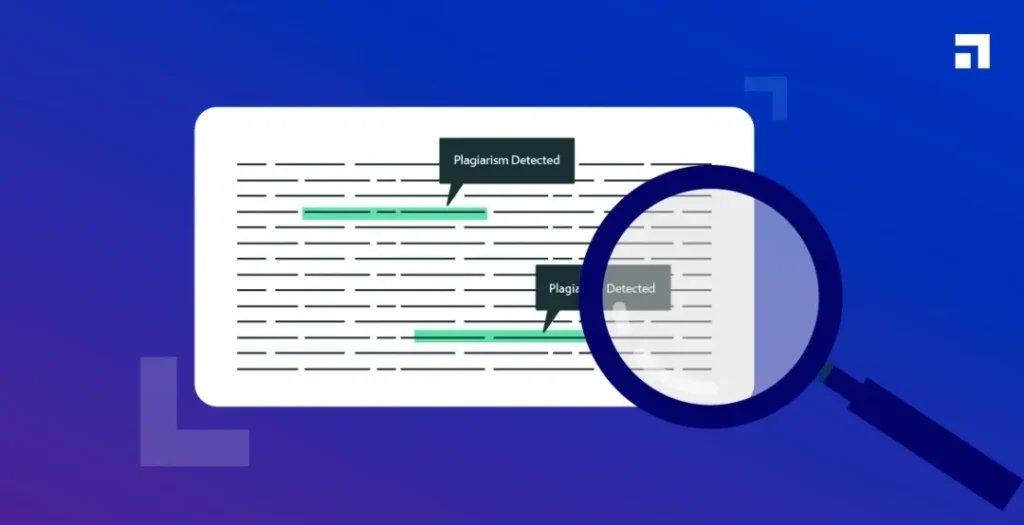
In today’s digital world, originality is more important than ever. Whether you are a student, content writer, journalist, business owner, or digital marketer, plagiarism can seriously harm your credibility and online reputation. This is where plagiarism checkers play a crucial role. These tools help ensure that your content is unique, authentic, and free from copied material.
A plagiarism checker is not limited to one type of text. Modern plagiarism detection tools are highly advanced and capable of analyzing a wide range of content formats across different industries. In this detailed article, we will explore what types of content a plagiarism checker can analyze, how it works, and why it is essential for maintaining content integrity.
Understanding How a Plagiarism Checker Works
Before diving into content types, it’s important to understand how plagiarism checkers function. These tools scan submitted text and compare it against billions of web pages, academic databases, journals, books, blogs, and other digital sources. They identify similarities, duplicated phrases, and exact matches, then generate a plagiarism report highlighting matched sources.
Advanced plagiarism checkers also use AI and machine learning to detect paraphrased or rewritten content, making them more effective than basic copy-paste detectors.
Academic Content
Essays and Assignments
Plagiarism checkers are most commonly used in academic settings. Students submit essays, homework, and projects to ensure originality before final submission. Educational institutions also use plagiarism software to verify student work.
Research Papers and Theses
Academic research demands strict originality. Plagiarism checkers can analyze:
- Research papers
- PhD theses
- Dissertations
- Case studies
They compare content with journals, published research, and academic databases like PubMed and Google Scholar.
Lecture Notes and Study Material
Even teaching materials such as lecture notes, presentations, and study guides can be checked to ensure they don’t unintentionally copy published resources.
Website Content
Blog Posts
Blogging is one of the most plagiarism-prone areas due to the massive volume of online content. Plagiarism checkers can analyze blog articles to ensure they are unique and not copied from existing websites.
Landing Pages
Landing pages created for marketing or advertising campaigns must be original for SEO and branding purposes. Plagiarism tools can scan landing page copy to detect duplicated phrases.
Product Descriptions
E-commerce websites often face duplicate content issues due to copied manufacturer descriptions. A plagiarism checker helps rewrite and validate unique product descriptions for better search engine rankings.
SEO and Digital Marketing Content
SEO Articles
Search engines penalize duplicate content. Plagiarism checkers help SEO professionals ensure their articles are original and optimized for ranking.
Affiliate Content
Affiliate marketers often work in competitive niches where copied content is common. Plagiarism detection tools help maintain originality and avoid Google penalties.
Ad Copies
Marketing ads, including Google Ads and social media promotions, can also be analyzed to ensure the messaging is not reused from competitors.
Professional and Business Content
Business Reports
Plagiarism checkers can scan business documents such as:
- Annual reports
- Market analysis
- Financial summaries
These documents often contain referenced data, and plagiarism tools help ensure proper citation and originality.
Proposals and Presentations
Corporate proposals, pitch decks, and presentations can be checked to confirm that the content is original and not copied from other businesses or templates.
Company Policies
HR documents like company policies, training manuals, and employee handbooks can also be analyzed for plagiarism.
Creative Writing Content
Short Stories and Novels
Writers and authors use plagiarism checkers to ensure their creative works are original. These tools can detect similarities with published books, stories, and online fiction.
Poems and Lyrics
Even creative expressions like poems and song lyrics can be analyzed. This is particularly useful for musicians and lyricists who want to avoid unintentional similarities.
With the rise of AI-generated creative tools, such as an AI music generator, plagiarism checkers have become even more important to verify originality in lyrics and written concepts accompanying music projects.
Journalism and Media Content
News Articles
Journalists rely on plagiarism checkers to verify the authenticity of news reports. Media houses often scan articles before publication to avoid legal and ethical issues.
Press Releases
Press releases distributed across multiple platforms must be original. Plagiarism tools ensure the content is not copied from other announcements or competitors.
Editorial Content
Opinion pieces, editorials, and columns are also checked for originality to maintain credibility and trust.
Technical and Programming Content
Technical Documentation
Plagiarism checkers can analyze:
- User manuals
- API documentation
- Software guides
These documents often include standard terms, but tools help identify excessive copying.
Code and Programming Scripts
Some advanced plagiarism checkers are capable of analyzing source code. They compare programming logic, syntax, and structure across repositories like GitHub.
This is especially useful in academic institutions and software development teams.
Social Media Content
Social Media Posts
Short-form content like captions, tweets, and posts can also be analyzed. This helps brands maintain originality and avoid copying viral content from competitors.
Influencer Content
Influencers and content creators use plagiarism checkers to ensure their scripts, captions, and collaborations are unique and legally safe.
Legal Content
Contracts and Agreements
Plagiarism checkers can analyze legal documents such as:
- Contracts
- Agreements
- Legal notices
While legal language is often standardized, these tools help identify copied clauses and ensure originality where required.
Case Studies and Legal Research
Legal research papers and case summaries can also be checked against published legal databases.
Educational and Training Content
Online Courses
E-learning platforms use plagiarism checkers to analyze course modules, video scripts, and lesson content.
Training Manuals
Corporate and institutional training manuals are scanned to ensure originality and intellectual property protection.
AI-Generated Content
With the growing use of AI tools for content creation, plagiarism checkers have evolved to analyze AI-generated text. Whether content is produced using chatbots, writing assistants, or creative tools like an AI music generator, plagiarism detection ensures that the output does not replicate existing copyrighted material.
Many advanced plagiarism tools now include:
- AI content detection
- Paraphrasing detection
- Semantic similarity analysis
This makes them highly effective in the modern content landscape.
Why Using a Plagiarism Checker Is Essential
- Maintains credibility and trust
- Prevents copyright violations
- Improves SEO performance
- Avoids academic and legal penalties
- Ensures ethical content creation
Conclusion
A plagiarism checker is a powerful and versatile tool capable of analyzing a wide range of content types. From academic papers and website blogs to business documents, creative writing, legal texts, and AI-generated content, plagiarism detection tools play a vital role in maintaining originality and authenticity.
As digital content continues to grow, ensuring uniqueness is no longer optional—it’s essential. Whether you are a student, writer, marketer, developer, or creative professional, using a plagiarism checker helps protect your work and your reputation in the long run.In an era where technology like AI writing tools and an AI music generator are becoming mainstream, plagiarism checkers act as a safeguard, ensuring that innovation remains ethical, original, and trustworthy.
